**Education in Cameroon and the Labor Market in the Philippines: A Comparison**
Category : |
Sub Category : Posted on 2025-11-03 22:25:23
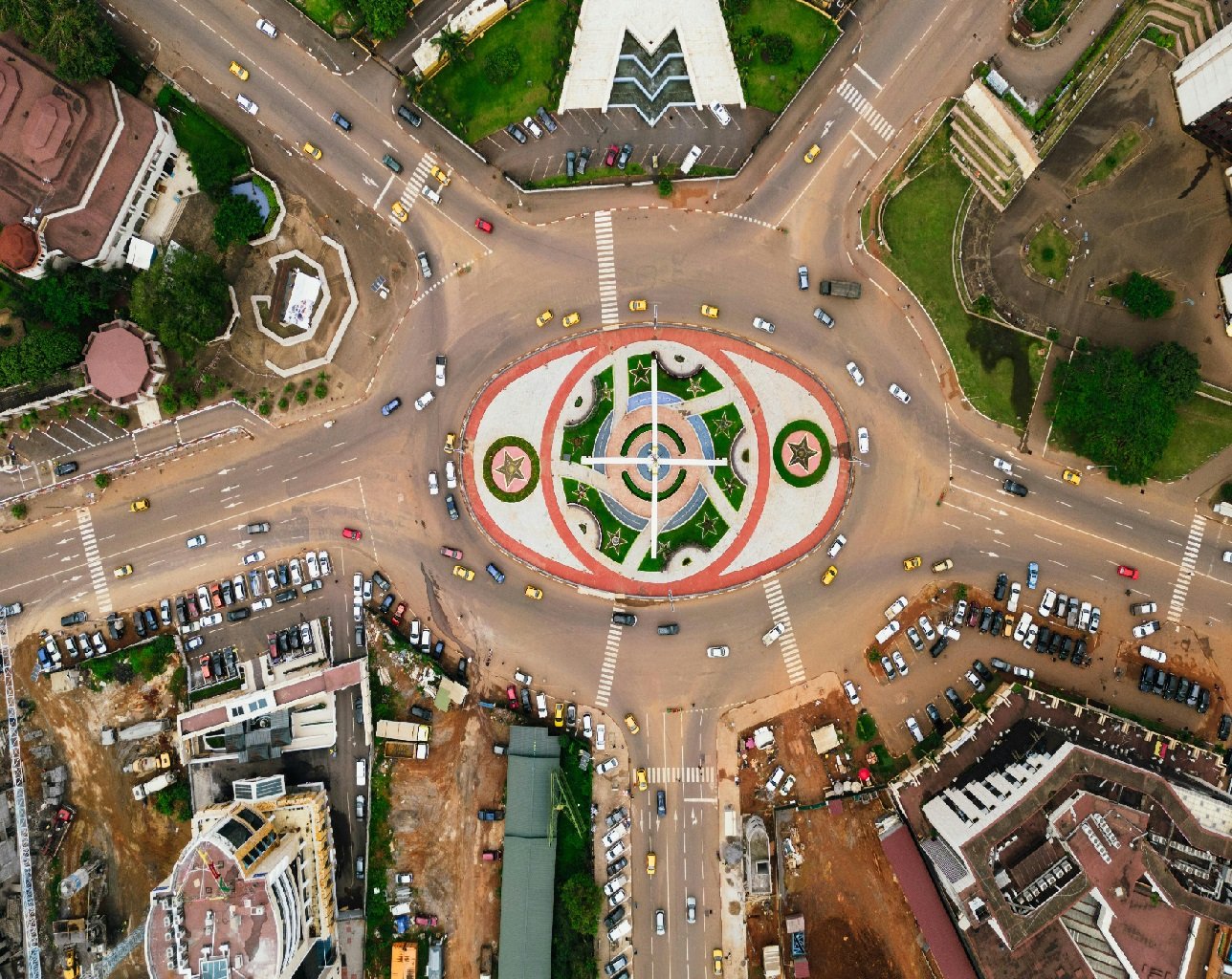
Education plays a vital role in shaping the labor market dynamics of a country. In this blog post, we will explore the education system in Cameroon and how it impacts the labor market, while also comparing it to the labor market situation in the Philippines. **Education in Cameroon** Cameroon, a country located in Central Africa, has made significant strides in improving its education system over the years. The country follows a 6-3-3 system of education, consisting of six years of primary education, followed by three years of junior secondary education, and three years of senior secondary education. After completing secondary education, students can choose to pursue higher education in universities or vocational training institutes. One of the challenges facing the education system in Cameroon is access to quality education, particularly in rural areas. Limited infrastructure, lack of qualified teachers, and insufficient resources hinder the delivery of quality education to all students. This disparity in education quality can have a direct impact on the skills and knowledge of graduates entering the labor market. **Labor Market in the Philippines** On the other hand, the Philippines, an archipelago in Southeast Asia, has a diverse labor market influenced by various factors such as education, skills, and economic conditions. The country has a literacy rate of over 95%, with a significant portion of the population completing tertiary education. Despite this, there is a mismatch between the skills possessed by graduates and the demands of the labor market. The labor market in the Philippines is characterized by a high level of informal employment, underemployment, and a large overseas Filipino worker (OFW) population. Many Filipinos seek employment opportunities abroad due to limited job prospects and low wages domestically. This brain drain phenomenon has significant implications for the country's economy and workforce development. **A Comparative Analysis** When comparing the education system in Cameroon and the labor market in the Philippines, several parallels can be drawn. Both countries face challenges related to education quality, skills development, and employment opportunities for graduates. Addressing these challenges requires effective policies and interventions to bridge the gap between education and the labor market. In conclusion, education and the labor market are interconnected facets of a country's socioeconomic development. By investing in quality education, equipping students with relevant skills, and creating job opportunities, both Cameroon and the Philippines can enhance their labor market outcomes and drive sustainable growth. Efforts to improve education and empower the workforce will ultimately lead to a brighter future for individuals and the economy as a whole. Get a well-rounded perspective with https://www.regionales.net To delve deeper into this subject, consider these articles: https://www.philippinesinfo.com


