Cameroon Education System vs. Libyan Banking and Finance: A Comparative Analysis
Category : |
Sub Category : Posted on 2025-11-03 22:25:23
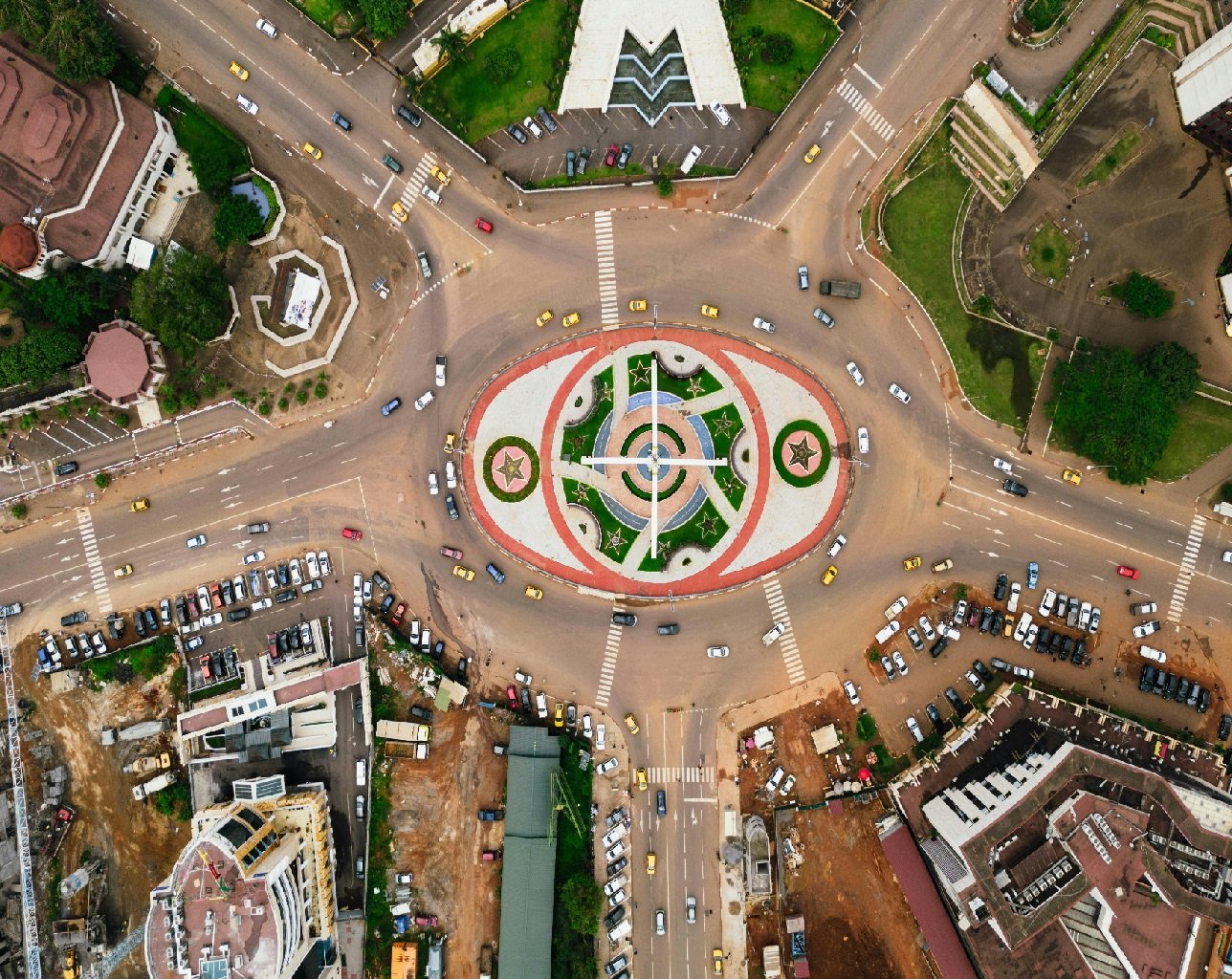
Education and finance are two crucial aspects of any country's development and growth. In this blog post, we will explore the differences between the education system in Cameroon and the banking and finance sector in Libya, providing a comparative analysis of the two. Cameroon Education System: The education system in Cameroon is structured into three levels: primary, secondary, and higher education. Primary education is compulsory and free, but many challenges exist, such as lack of resources, underqualified teachers, and overcrowded classrooms. Despite these challenges, efforts have been made to improve the quality of education in Cameroon, including the implementation of new curricula and the construction of more schools. In terms of higher education, Cameroon has several universities and colleges that offer a variety of programs and degrees. However, there is a need to enhance the quality of higher education in the country by investing in research, infrastructure, and faculty development. Additionally, improving access to higher education for marginalized communities and promoting vocational training are crucial steps to further develop the education system in Cameroon. Libyan Banking and Finance: The banking and finance sector in Libya plays a vital role in the country's economy. The Central Bank of Libya (CBL) is the primary regulatory authority overseeing the banking system in the country. Despite having a well-developed banking sector, Libya's economy has faced challenges in recent years due to political instability and armed conflicts. In Libya, the banking sector is dominated by state-owned banks, which control a significant portion of the financial market. Private banks also operate in the country, offering a range of financial services to individuals and businesses. However, the lack of transparency, weak regulatory framework, and compliance issues have hindered the growth and stability of the banking sector in Libya. Comparative Analysis: When comparing the education system in Cameroon to the banking and finance sector in Libya, several key differences emerge. While Cameroon struggles with resource constraints and quality issues in its education system, Libya faces challenges related to governance, stability, and regulatory framework in the banking sector. Both countries could benefit from implementing reforms to address these challenges and improve the overall quality and accessibility of education and financial services. Enhancing collaboration between government, private sector, and international partners can help drive positive change and promote sustainable development in both sectors. In conclusion, the education system in Cameroon and the banking and finance sector in Libya each have unique strengths and weaknesses. By learning from each other's experiences and best practices, both countries can work towards building more resilient, inclusive, and prosperous societies for their citizens. You can also Have a visit at https://www.toabudhabi.com Want a more profound insight? Consult https://www.cruzar.org Find expert opinions in https://www.abandonar.org Have a look at the following website to get more information https://www.culturelle.org Looking for more information? Check out https://www.departements.org Explore this subject further for a deeper understanding. https://www.regionales.net for more https://www.ncciraq.com For a closer look, don't forget to read https://www.todamascus.com sources: https://www.totunisia.com Don't miss more information at https://www.libyainfo.com Have a look at the following website to get more information https://www.nequi.org


